Refurbishment project of a House of the 40’s




Refurbishment project of a House of the 40’s
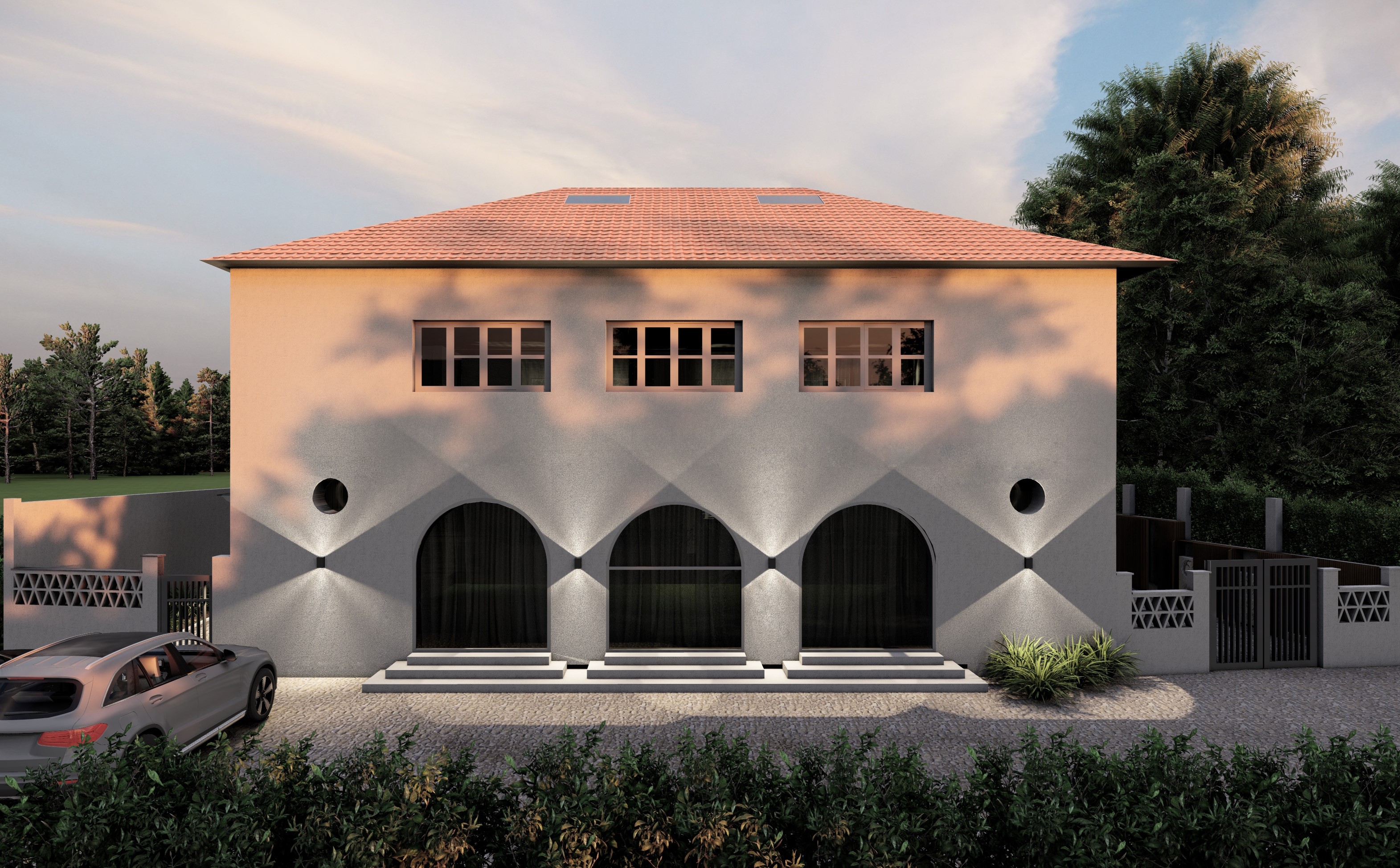
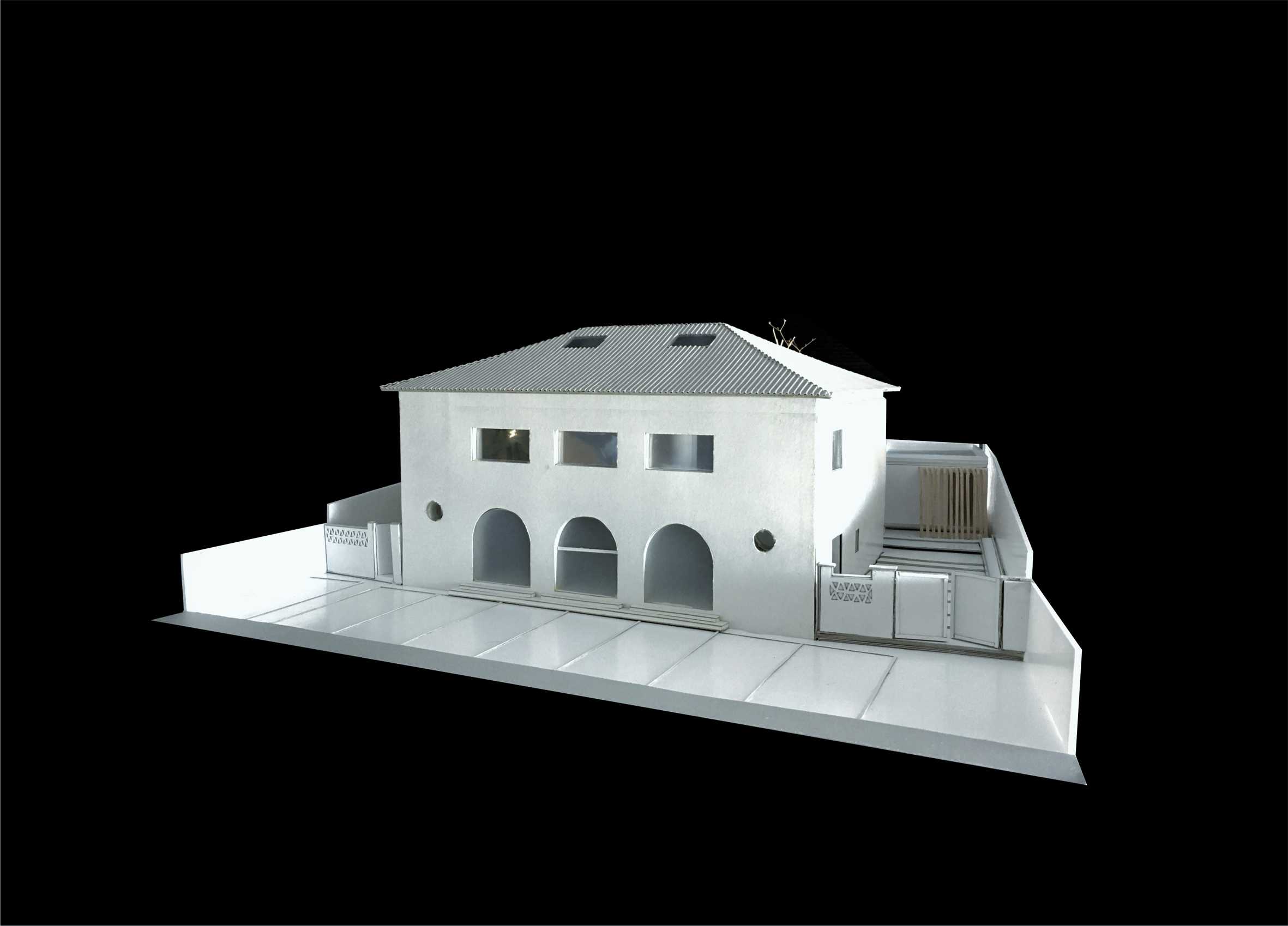
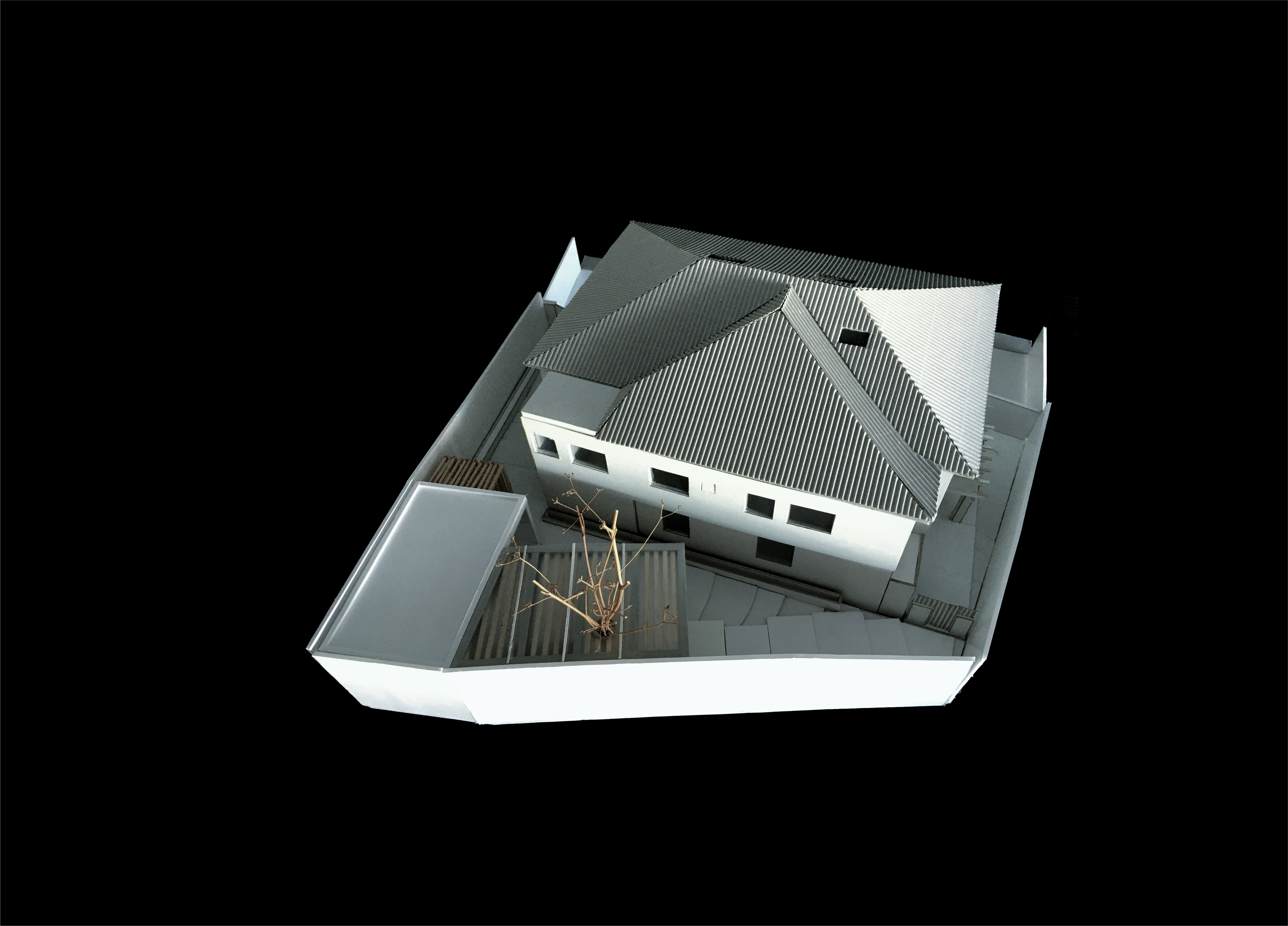
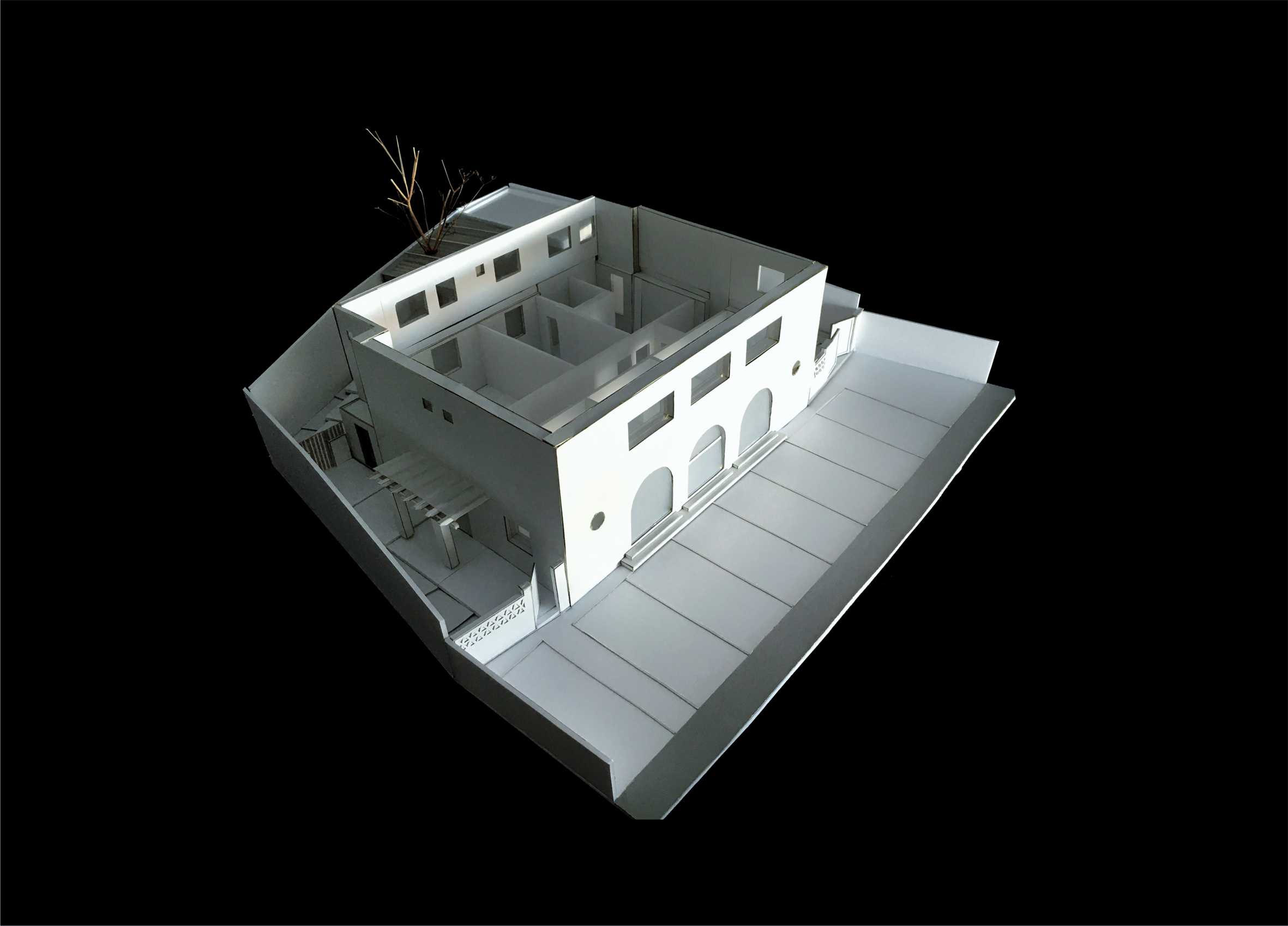
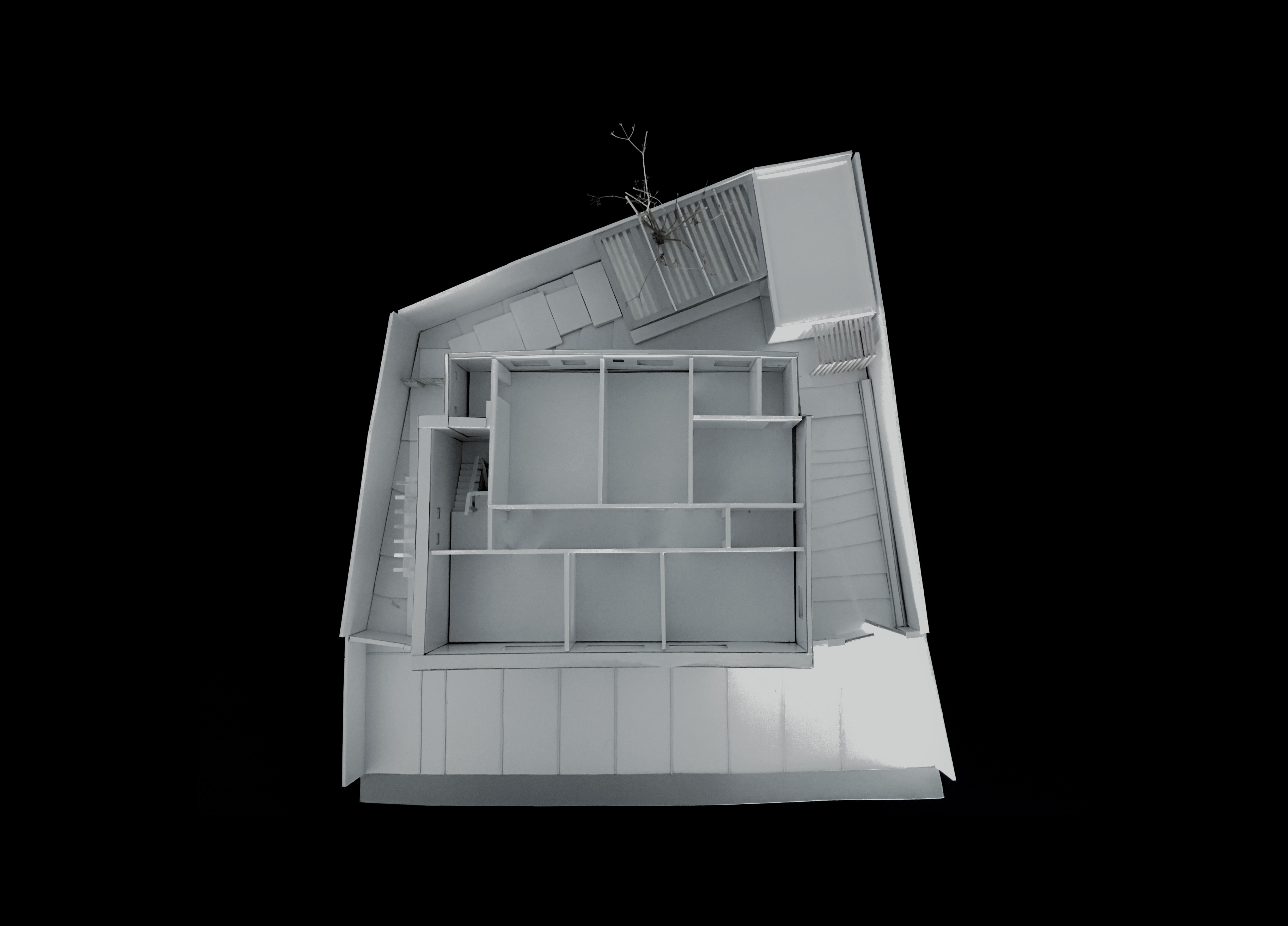
The rehabilitation project of a 1940s house is located on a plot of land forming an irregular-shaped polygon within a social housing neighbourhood from the early 20th century in the city of Lisbon. The house is characterised by 1940s construction in the Português Suave style, featuring rusticated stone, stone mouldings and trim around the openings, pitched roofs with overhanging eaves and red tiles, and arcades evoking medievalist influences.
This architectural style, widely applied in schools, churches, courthouses, and social housing estates, spread from official architecture into private commissions, resisting the use of concrete—the material commonly used for buildings of that era in Europe—and instead fulfilling the demand for a distinctly Portuguese architectural identity, personified by the architect Raul Lino.
Português Suave was employed in various neighbourhoods throughout Lisbon—urban developments that were part of the effort led by Duarte Pacheco to regulate the city’s expansion. These initiatives were promoted through the official propaganda of the Estado Novo, particularly in the Lisbon City Council’s official publication.
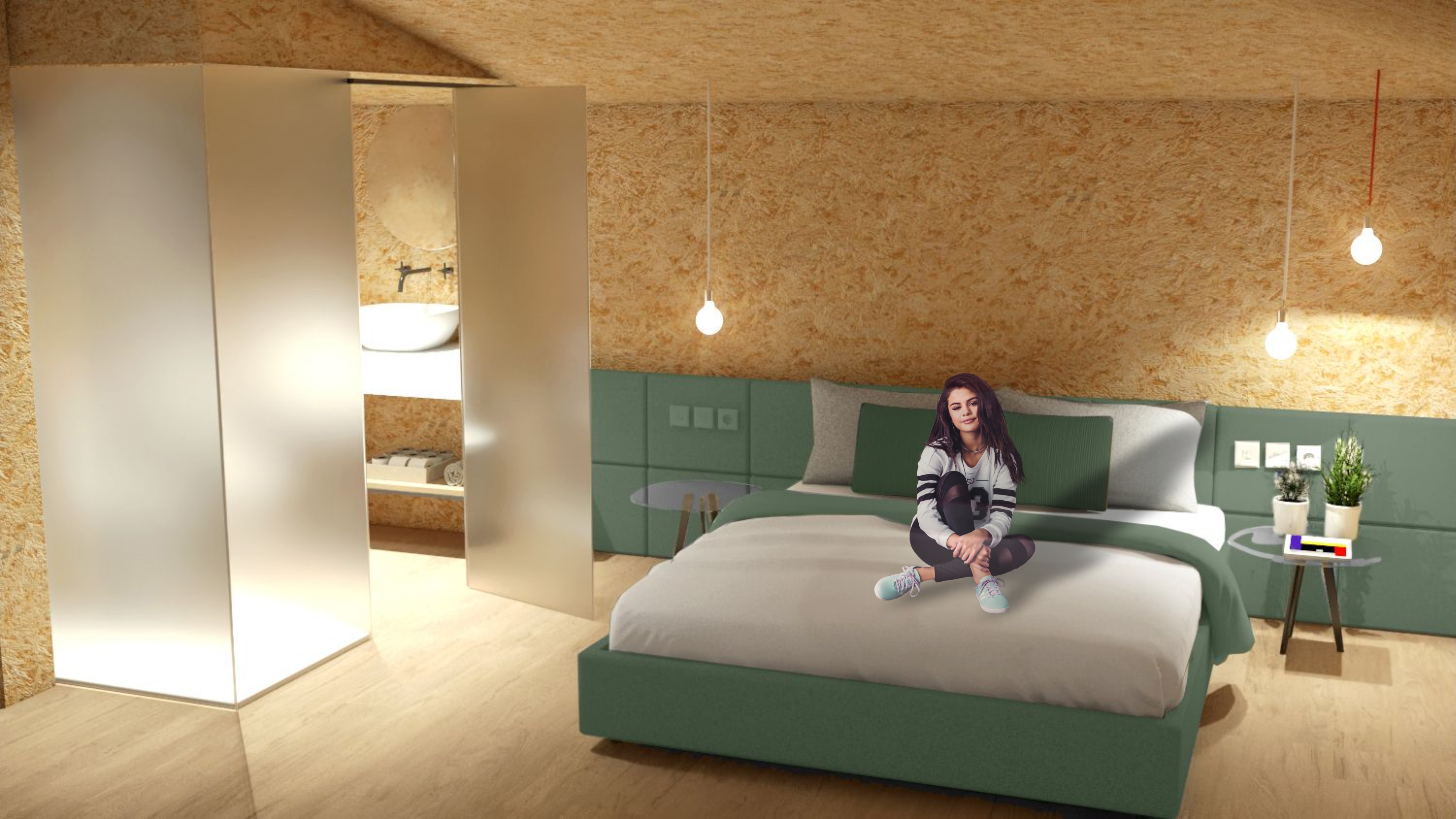
The house to be rehabilitated has a total area of 340 m², distributed over two floors, and will be restored and adapted to a new use as a boutique hotel with 13 rooms ranging in size from 15 sqm to 22 sqm.
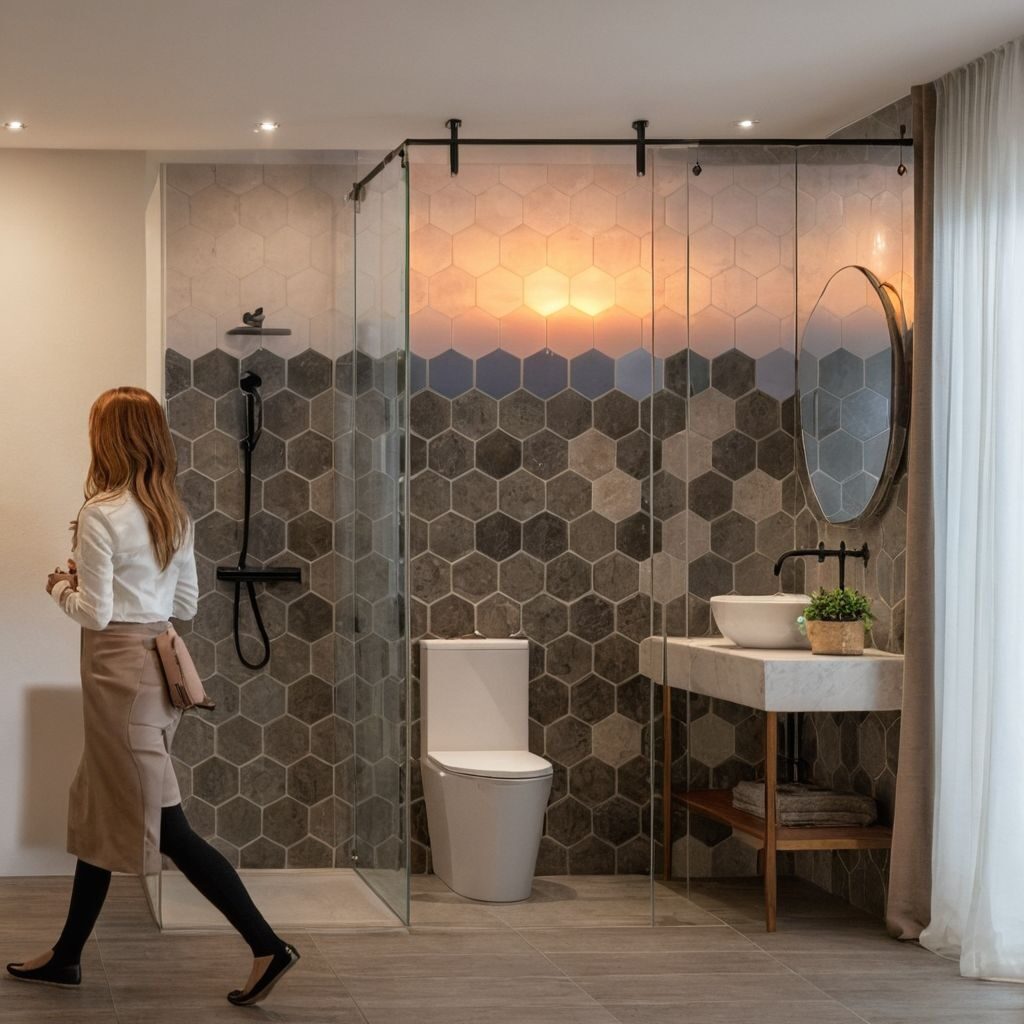
The interior design proposal presents a personalised concept, with each room featuring a distinct and unique interior.
LOCATION
Lisbon
YEAR
Under development
ARCHITECTURE
Nuno Ladeiro / Carmo Branco
COLLABORATORS
Marta Bento / Bárbara Raimundo / Daniela Leite
Category:
Architecture, Refurbishment